How Much Can You Earn on Etsy from Pakistan? An Honest Guide
“Dollars from home.” “Easy Etsy income.” “Just open a shop and watch it sell.” If you have heard these lines, you have heard the sales pitch — and you are right to ask for the rest of the story before spending months on a shop that never sells.
This guide gives you that rest of the story: how Etsy actually works, what it costs, what sells from Pakistan, how long a new shop really takes, and why most new shops fail. Deliberately, it contains no earning promises and no income figures — because honest figures for “Etsy sellers” do not exist as a single number, and anyone quoting you one is guessing or selling.
Short answer: Etsy earnings vary enormously and start slow; the honest answer depends on your niche, product quality, listing SEO and consistency. Most new shops earn little in their first months, and growth is built listing by listing over time — not instant, not automatic, and never guaranteed.
How Etsy Actually Pays (and What It Costs)
Etsy is a marketplace, not a salary. A buyer orders, Etsy processes the payment, deducts its fees, and the remainder reaches you through the payout method available in your country. Three kinds of cost sit between a sale and your pocket, and you should understand them qualitatively before you list anything:
- Listing costs — a small charge for putting an item up for sale, and again when it renews or sells.
- Transaction costs — a percentage Etsy takes from each completed sale, including on the delivery charge where one applies.
- Payment-processing costs — a further charge for handling the buyer’s payment.
Exact fees change from time to time, so check Etsy’s official fee page for the current listing, transaction and payment-processing fees before you price anything — or WhatsApp us on 0311-3774804 and we will point you to the current page.
On top of Etsy’s own costs, remember your own: materials or design time, packaging, delivery charges, and the time spent on photos, titles and customer messages. A shop that ignores its own costs can look busy while making nothing. Price with all costs included, not just Etsy’s.
What Sells from Pakistan
Three broad categories work from Pakistan, and they match what the Digitech Etsy course teaches:
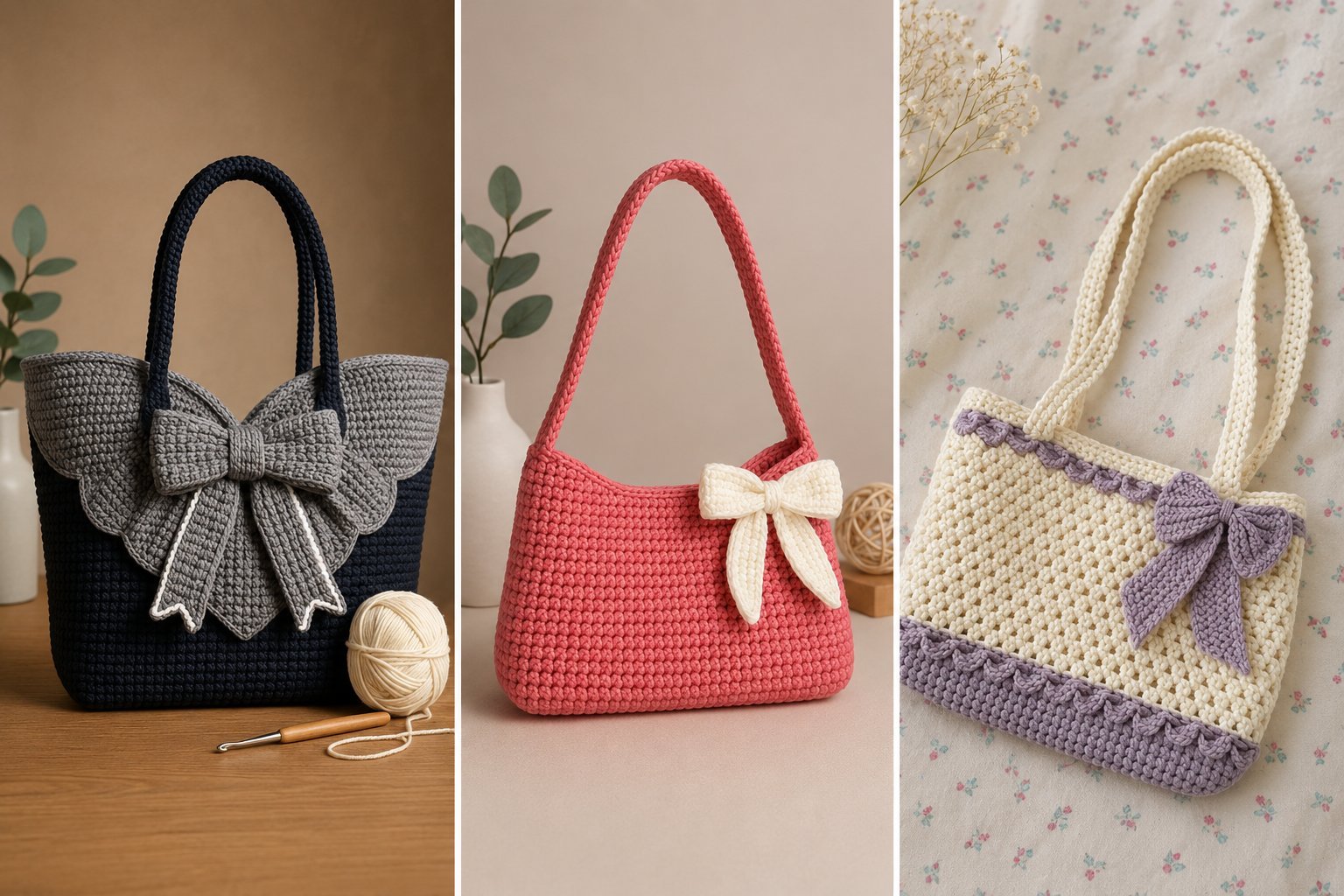
- Handmade products. Craft, textiles, jewellery, home décor and personalised items — things a buyer cannot download and a factory cannot copy exactly. Pakistan’s craft traditions are a genuine advantage here, provided the finishing, photography and packaging meet international expectations.
- Digital products. Templates, planners, printable art, patterns and design files. No shipping, no inventory, no delivery delays — but also more competition, because anyone worldwide can sell the same kind of file. Standing out needs genuinely good design, not volume alone.
- Personalised items. Names, dates, custom colours and made-to-order variations. Personalisation is Etsy’s home ground: buyers come to Etsy precisely because they cannot get it from a mass retailer. It also means more customer messages and longer handling time, which must be priced in.
What does not sell well: copied products, random items with no niche, and listings with weak photos and vague titles. Etsy is a search engine with a shop attached — buyers find you through words and images, and both must be good.
The Real Timeline of a New Shop (A Typical Pattern, Not a Guarantee)
- Month 1 — Setup and listings. Choose a niche, research what buyers search for, prepare products, photograph them properly, and write SEO titles and descriptions. A shop with a handful of rushed listings is not ready; aim for a solid base of quality listings before judging anything.
- Months 2–3 — First traction signals. Views, favourites and occasional sales begin to appear for shops that listed well and kept improving. For many shops this stage is quiet, and that quiet is normal — it is the market telling you which listings to improve, not proof that Etsy “doesn’t work.”
- After that — Iteration. Successful shops keep doing the same loop: check which listings get views, improve the weak ones, add new products in the niche that works, and slowly build reviews. Growth on Etsy is compounding and slow, then steadier — the opposite of overnight.
If someone shows you a screenshot of a big month, ask how many months and listings came before it. The screenshot is never the whole story.
Why Most New Shops Fail
The same five reasons appear again and again:
- No niche. A shop selling unrelated items confuses Etsy’s search and confuses buyers. One clear niche beats ten random products.
- Copied products. Copying a bestseller’s design or photos earns no trust and risks removal. Buyers pay for originality, especially on Etsy.
- Weak photos and titles. Blurry photos, dark backgrounds, and titles like “nice gift item” cannot be found or trusted. Photos and titles are the shop — treat them that way.
- Wrong pricing. Pricing that ignores fees, materials, packaging and time either loses money or prices you out. Price from costs, not from hope.
- Quitting before enough quality listings. Many sellers stop at a dozen listings and conclude Etsy failed. Shops are usually judged after a serious body of work — a consistent set of quality listings in one niche — not after a first attempt.
The Skill Stack You Actually Need
Etsy success is not one skill; it is a stack, and weakness in any layer shows:
- Research — finding a niche with buyers, not just products you like.
- SEO titles and tags — writing the words buyers actually search for.
- Photography — clear, bright, honest photos that show the product properly.
- Pricing — covering every cost and leaving a margin, without guessing.
- Customer service — answering messages promptly, handling problems gracefully, earning reviews.
That stack maps directly to the Etsy Course in Pakistan at Digitech Institute: 8 weeks, 16 classes, fee Rs 20,000, Beginner to Advanced, practical and project-based, ending in a final project and a growth strategy for your own shop. Classes run physically at Bahria Town Phase 8, Rawalpindi, and online. See everything on the Courses page or ask on the Contact page. If you are starting from zero online income, read our beginner guide first: How to Start Freelancing in Pakistan with No Experience.
Thinking about opening a shop, or already stuck with one that is not selling? WhatsApp 0311-3774804 — tell us your niche or product idea, and we will honestly tell you whether the course fits your stage.
FAQs
Can Pakistanis open an Etsy shop?
Etsy’s availability and payout options for sellers in Pakistan have changed over time, so check Etsy’s current official guidance for sellers in Pakistan before opening a shop — or WhatsApp us on 0311-3774804 and we will share what we currently know.
Do I need a product ready before the course?
No. The course starts with niche and product research, so you can arrive with only an idea — or no idea at all — and develop a product direction during the classes. Arriving with a craft or design interest helps, but a finished product is not required.
Digital or physical products — which should I choose?
It depends on what you can actually produce well. Physical products suit makers with craft skills and patience for packing and shipping; digital products suit designers who can create files buyers download. The course covers both, and the honest choice is the one whose work you will enjoy repeating for months.